In a global context marked by the climate crisis and growing energy demand, and in an African context where these crises are even more acute, African local authorities are emerging as key players in achieving a just, sustainable and inclusive energy transition. To realize this potential, major legal, administrative and financial obstacles must be overcome.
This article is the first in a series of three analyses that will examine the conditions necessary for the effective involvement of African local authorities in the energy sector. We will successively explore existing obstacles, legal and administrative prerequisites, available financing mechanisms, and finally, lessons learned from international models.
I. Context and Major Issues for Local Authorities in Africa
1. Vast untapped potential
Africa is facing a major energy crisis, characterized by an average electrification rate of only 50%, leaving approximately 600 million people without reliable access to electricity. This situation is exacerbated in rural areas, where access to energy is even more limited. In East Africa, for example, nearly 70% of the population lives in rural areas, while in Southern Africa, this figure is approximately 34%.
Despite these challenges, the continent boasts considerable energy potential. More than 500 GW of energy projects are currently in the conceptual phase, primarily focused on renewable energies such as solar and wind. The share of renewable energy in Africa’s energy mix is expected to increase from 27% today to over 43% by 2030.
However, local governments still play a limited role in overall energy production, although their involvement is crucial for decentralized solutions such as mini-grids and solar home systems.
About 44% of Africans live in rural areas. Yet, a small proportion of energy investments are directed to these rural areas, where local governments could play a key role in bridging the energy gap.
2. Key issues of the energy transition in Africa
The energy transition in Africa is based on several major challenges:
Universal access to energy: This involves guaranteeing all citizens reliable and affordable access to energy, by reducing inequalities between urban and rural areas through decentralized solutions.
Sustainable development: This involves minimizing the environmental impact of energy production by reducing dependence on fossil fuels and increasing the share of renewable energy in the energy mix.
Targeted investments : Mobilizing financing is essential to strengthen local energy infrastructure and integrate rural communities into the transition.
Climate resilience : Energy systems need to be adapted to the impacts of climate change, particularly in regions dependent on hydropower and where there is strong potential for renewable energy.
Economic development: The energy transition can stimulate economic growth by creating jobs in the renewable energy sector and promoting industrialization.
Social justice: This involves ensuring that this transition equitably benefits all segments of society, particularly the most vulnerable populations.
3. Key roles of local authorities
Local authorities are ideally placed to play a central role in the energy transition in Africa:
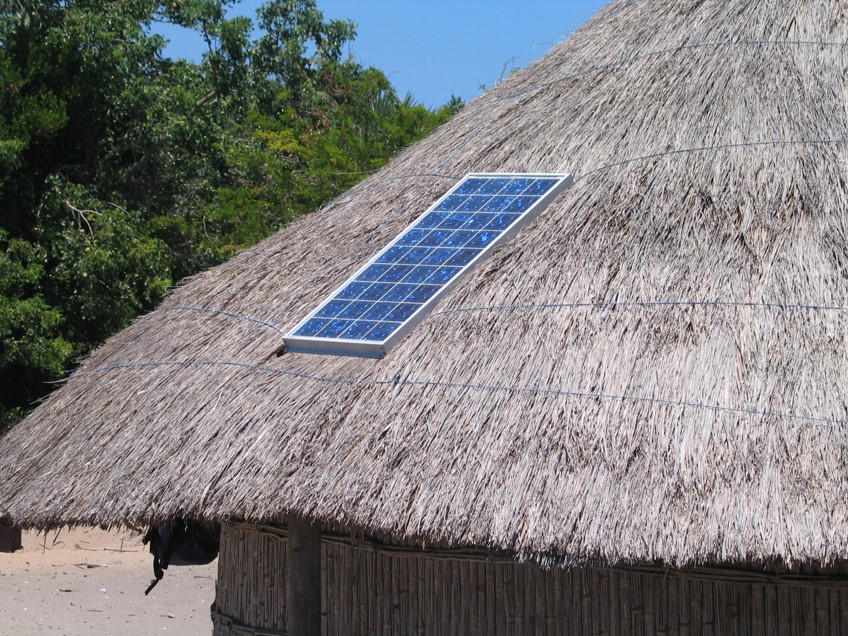
Planning and implementing local projects: Local authorities can identify the specific needs of their community and develop suitable energy projects, such as solar microgrids or small-scale hydroelectric installations.
Resource Mobilization and Partnerships : by collaborating with the DIaspora, the private sector, the central government, and development partners, communities can attract investment to finance local energy projects.
Community awareness and engagement: They can educate citizens about the benefits of renewable energy and encourage the adoption of sustainable practices.
Development of local policies: By developing favorable local regulations, they facilitate the integration of renewables and energy efficiency.
Job creation and capacity building: Energy projects can generate local jobs and strengthen technical skills, contributing to regional development.
II. Legal and administrative obstacles hindering local engagement
Despite this potential, several major obstacles still hinder the full commitment of local authorities:
1. Centralized legislative frameworks and historical monopolies
In many countries, electricity production and distribution remain under national monopolies. For example, in the DRC or Ethiopia, local authorities must obtain approval from the national operator for any initiative. Even in decentralized countries, local authorities are often excluded from strategic processes, reduced to an executive role.
2. Legal uncertainty and overlapping jurisdictions
The lack of a clear definition of the role of local authorities in sectoral texts creates uncertainty. Before the 2023 reform in Nigeria, cities had to navigate a legal vacuum, sometimes in contradiction with national laws. The ongoing transition has also created duplicated administrative requirements (state and national licenses).
3. Administrative burdens and high costs
In Kenya, permitting procedures vary from county to county. Some require high and unharmonized fees, complicating the process and increasing costs for project developers. Lengthy, centralized procedures are beyond the technical capabilities of many communities.
4. Limited technical and financial capacities
Many communities lack the engineers and technical skills to manage complex projects. Lack of access to credit is hampering investment in energy infrastructure. In South Africa, strengthening municipal networks alone would require $21 billion over five years. This amount is unattainable without external support.
5. Constraints of the national regulatory framework
Even in the absence of a formal ban, implementing regulations can discourage communities. In Senegal, only private companies can bid on rural electrification projects. If a community wishes to inject electricity into the national grid, it must negotiate a complex contract with the public operator. These dependencies discourage local initiatives.
Conclusion
Faced with the continent’s energy and climate challenges, local authorities must be recognized as key players in Africa’s energy transition. Their local knowledge, their proximity to citizens, and their ability to innovate locally make them powerful levers for a more equitable energy future.
But to fully unlock this potential, profound transformations of legal, administrative and financial frameworks are necessary. This is the subject of the next article in this series, which will focus on the legal, administrative and financial prerequisites for effective participation of local authorities in the energy transition in Africa .
Sources :
- CrossBoundary Energy
- International Institute for Sustainable Development – IISD
- BloombergNEF (bbhub.io)
- Africa Energy Portal
- The State of African Energy 2025 – Energy Chamber
- Africa Energy Indaba 2025 – African Review
- Power for Progress – World Bank
- Electrifying Rural Africa – Energy Chamber
- Urban/Rural Population by Country – WorldoStats
- Africa: Share of Rural Population by Region – Statista
- GEAPP and Rockefeller Foundation Energy Access Projects
- G20 South Africa – Energy Transition Concept Note
- Zombie Energy Systems in Africa – CATF
- Energy Access in Africa – AfDB